The Latest Updates, Perspectives and Stories From MatrixSpace
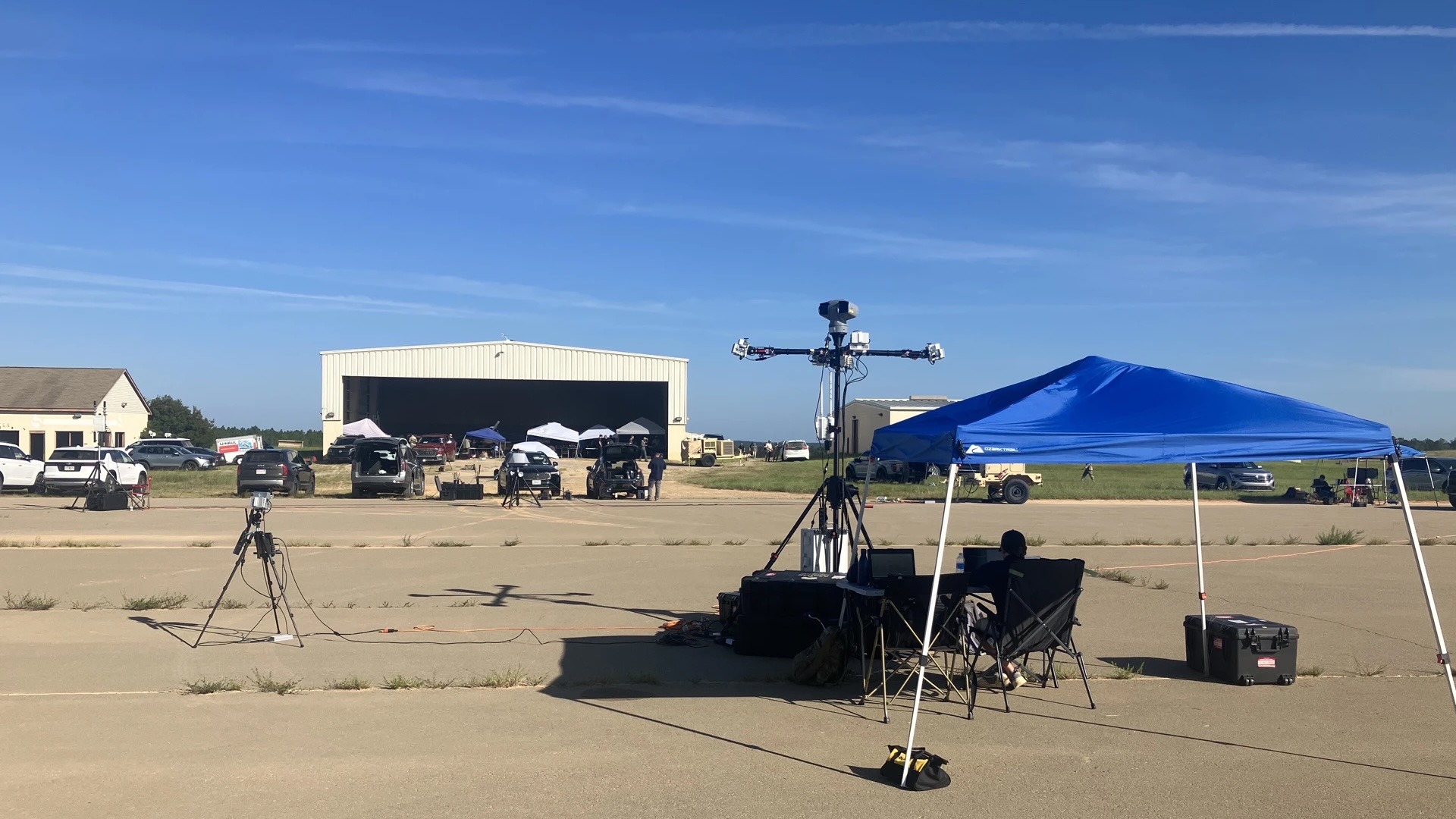
Two Unique Exercises, Three Common Lessons
MatrixSpace participated in two field exercises built around two different mission-sets. The lessons from Scarlet Dragon and Guardian Skies were remarkably similar.
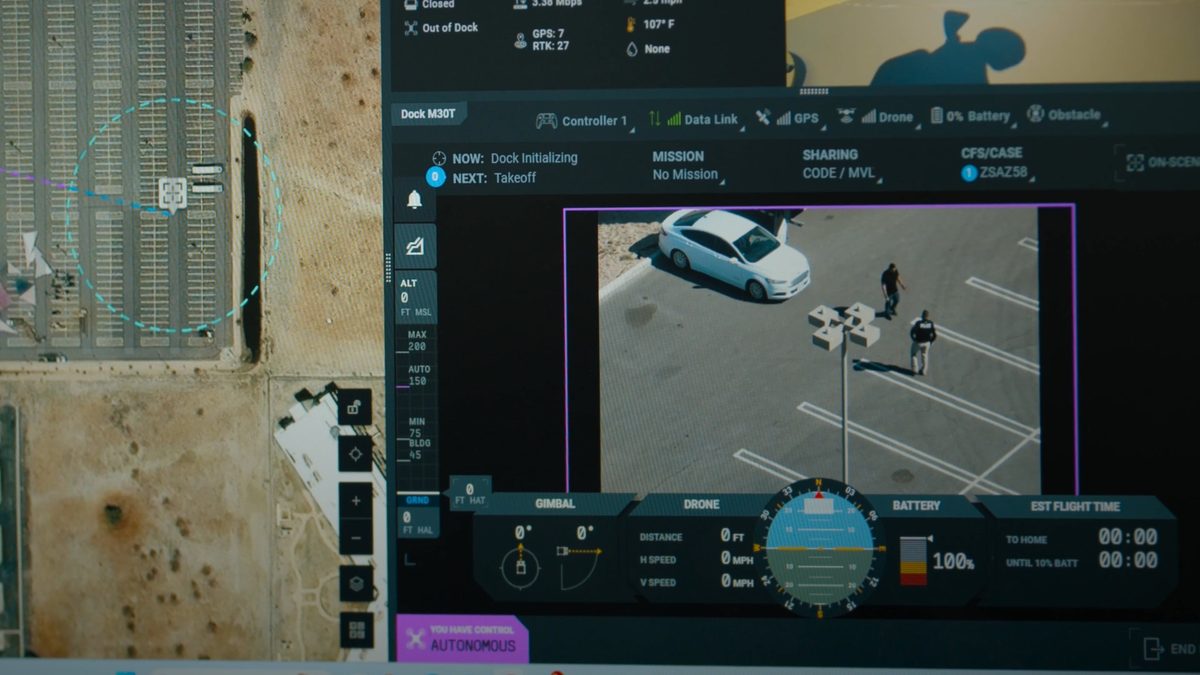
Drone Data Under the SAFER SKIES Rule: An Industry View on Privacy and Compliance
The rule gives SLTT agencies real counter-UAS authority for the first time. It also places data squarely at the center of that authority. For technology providers building the systems agencies will actually use, that data architecture is where compliance either works in practice or breaks down.
.jpeg)
Observations from Project Flytrap 5.0
MatrixSpace demonstrated portable, resilient counter-drone capabilities at the U.S. Army’s Flytrap 5.0 exercise, integrating mobile radar and AI systems with Anduril’s battle command network. The deployment validated effective small-drone detection, operation in contested environments, rapid dismounted deployment, and interoperability through open architectures for modern battlefield airspace awareness.

Threat Truth or Dare: Layered Detection for Modern C-UAS
Rising drone threats are driving organizations to adopt systems that detect, track, and identify them. Effective defense requires layered, multi-sensor approaches, with radar as the backbone for real-time threat assessment.
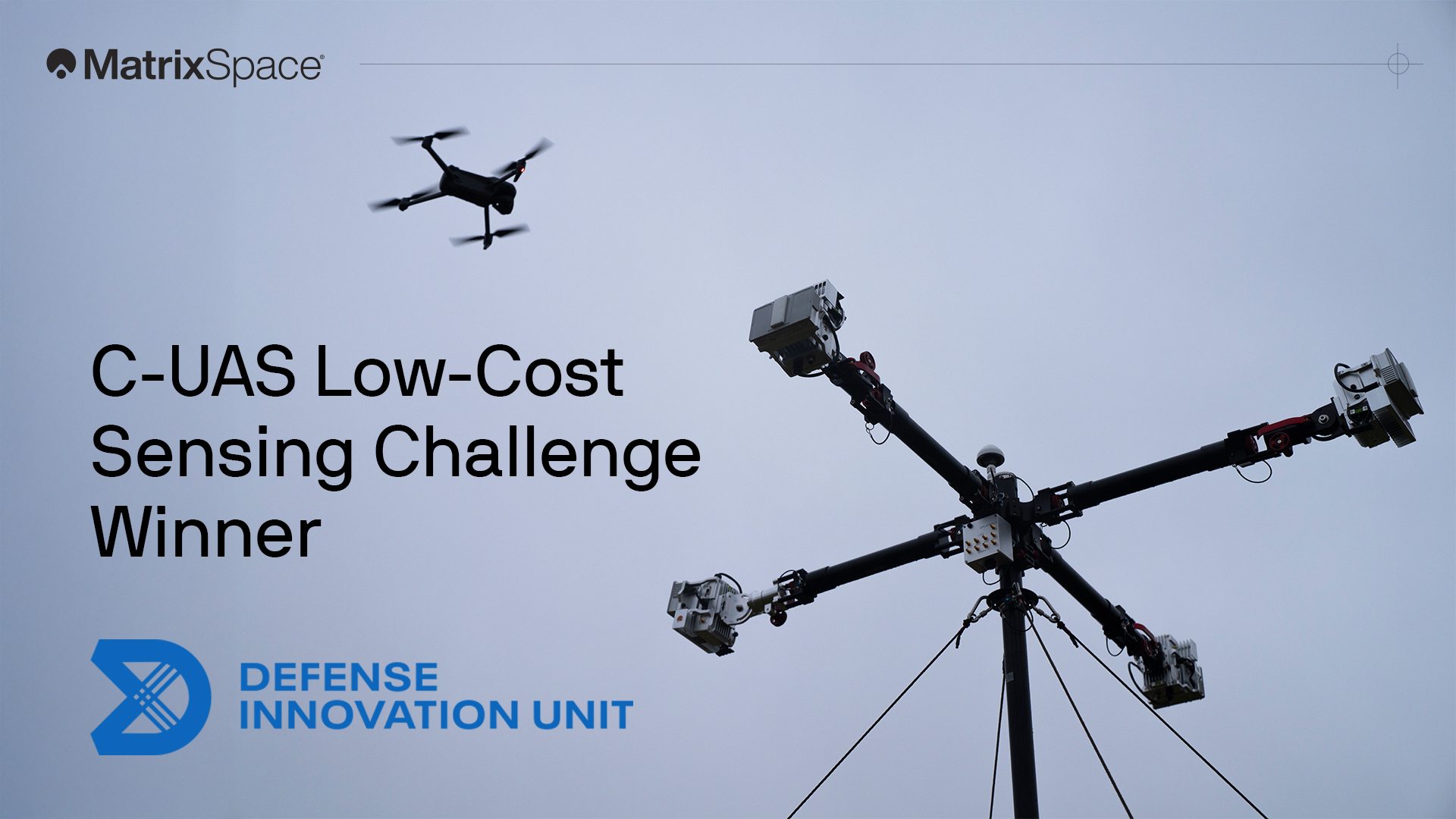
2 Major Military Competition Wins and Transforming Defense Technology
We're proud to have won both the DIU C-UAS Low-Cost Sensing challenge and the Army xTechCounter Strike competition. Innovation like ours is needed to modernize national security capabilities.
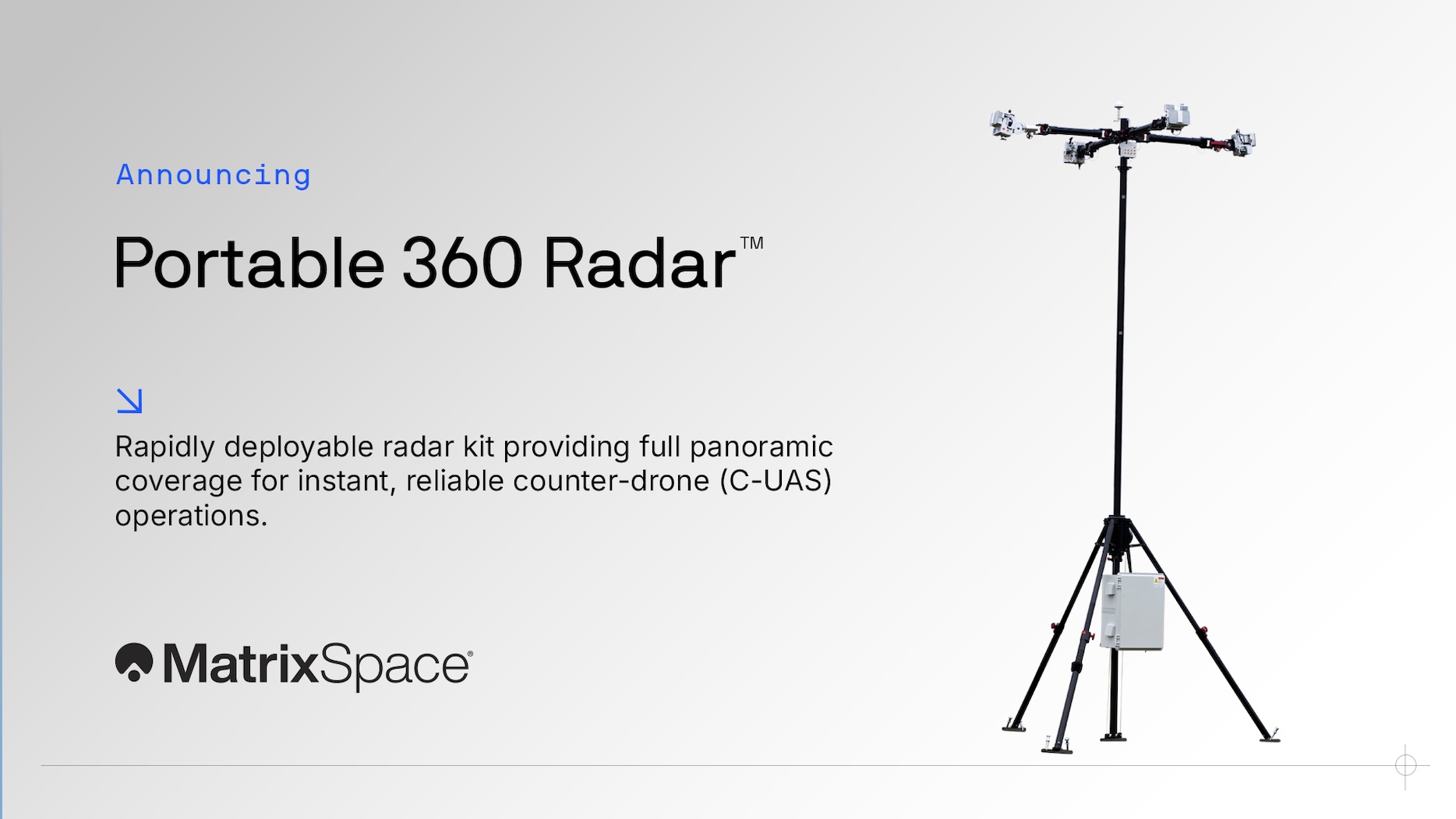
Introducing MatrixSpace Portable 360 Radar™: Rapid, Resilient Counter-Drone Detection Anywhere
Protecting airspace security for temporary operations—whether stadium events, public gatherings, expeditionary maneuvers, or sensitive activities in/near secure sites—has never been more urgent. Drone threats are increasing, and traditional radar systems simply aren’t built for the speed and flexibility these scenarios demand.

Open by Design: How Our Software Platform Enables Customer Ecosystems
Everything we build at MatrixSpace is designed for easy integration and extensibility. It allows us precise control our radar systems with precision, embed them with deep technology features, visualize data for users and orchestrate sensor interconnection. It also allows us to quickly integrate our systems with a broad ecosystem of other applications through open APIs.
The DIU C-UAS LCS Challenge: Winning the Drone War with Innovation
MatrixSpace was selected as one of 10 finalists for the DIU's Low-Cost Sensing challenge for counter drone detection, addressing the lack of affordable scalability in traditional defense sensor systems.

DroneSense & MatrixSpace: Situational Awareness to Unlock Critical Response
DroneSense customers can now seamlessly conduct remote operations with comprehensive airspace awareness in a common operating picture with the inclusion of MatrixSpace radar detection intelligence.
Latest News


Building the Onion: How MatrixSpace Layers Counter-drone Defense
Nobody owns the sky anymore. That reality anchored a wide-ranging conversation with MatrixSpace, a company whose technology has evolved from a data-networking concept into a core sensing layer now demonstrated and evaluated across multiple military exercises in Europe and increasingly relevant to domestic public safety agencies. In an Autonomy Global exclusive, Retired Army Brigadier General Peter “Pete” Jones and Robert “Bob” Alger of MatrixSpace unpacked how distributed radar and AI-driven sensor fusion now reshape counter-UAS strategy for the military, homeland security and public safety agencies.

MatrixSpace C-UAS distributed sensor systems detect drone warfare swarms
MatrixSpace is developing C-UAS radar and distributed sensor networks to detect, track, and identify drones in low-altitude airspace. The use of drones continues to rise as they become the focus of the new battlespace. Can they also increase warfighters’ safety and lower the cost of warfare? Drones allow the operator to be far away from the frontlines and can travel into difficult-to-reach places while costing significantly less than most munitions. The United States and Allies have embraced drone warfare, but they’re not the only ones; adversaries have increasingly been using drones in their attacks. With so many drones in use, the next phase is counter-drone activity.

MatrixSpace strengthens executive team
Counter-drone tech specialist MatrixSpace has appointed industry veteran John Bagocius head of sales. John Bagocius brings more than two decades of leadership experience, spanning commercial growth, strategic partnerships and mission enablement, including senior positions at Draganfly, Aeryon Labs, FLIR Systems and Crossmatch (HID).

Policing with drones in Palm Springs, California
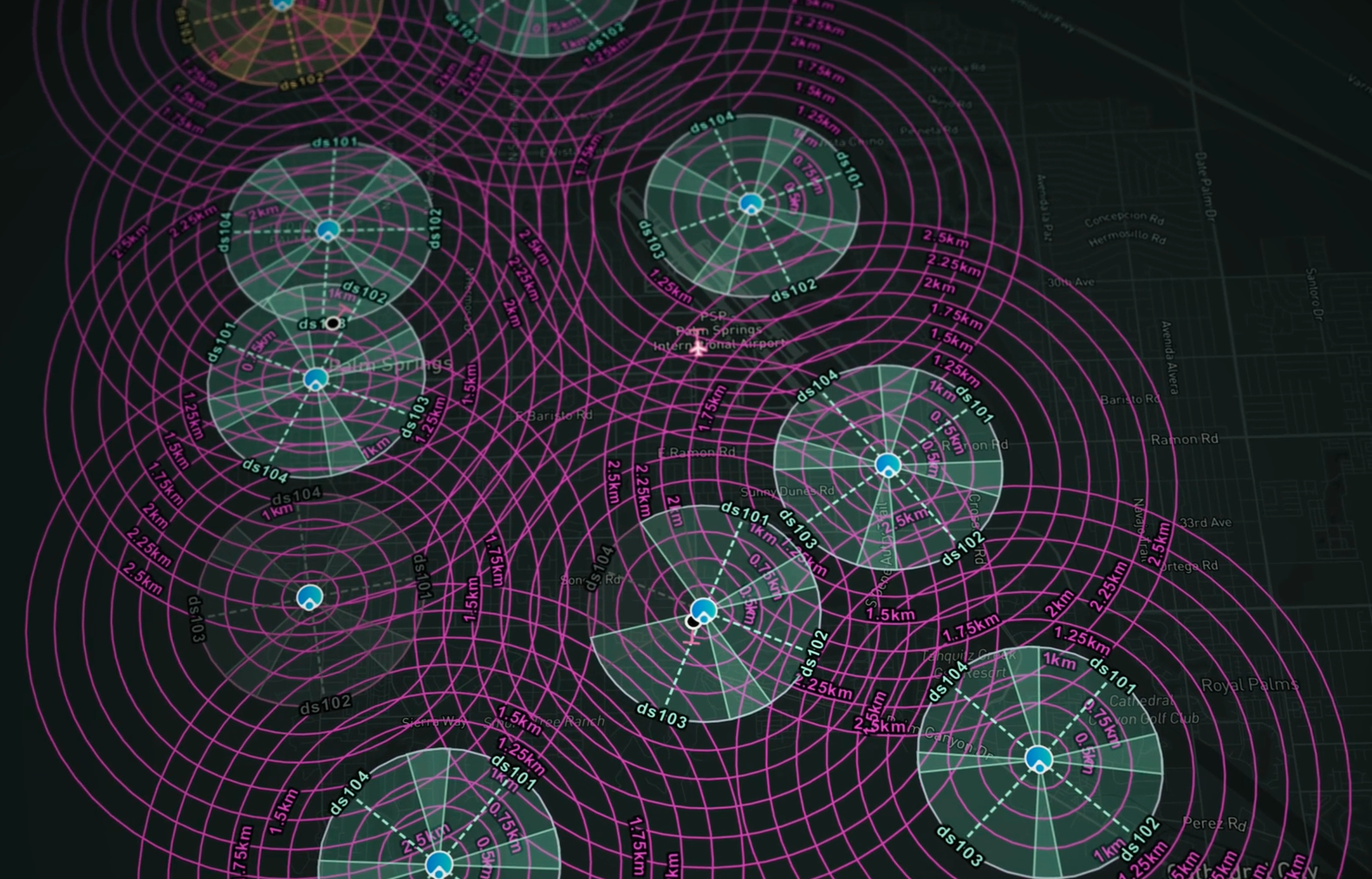
Lieutenant William Hutchinson, Palm Springs Police Department, Real Time Intelligence Center (RTIC) & Drone as First Responder (DFR) Program Director spoke with Global Airspace Radar about the programme. This represents the largest DFR programme in the United States, covering 37 square miles (or roughly 60 square kilometres).

Drone Data Under the SAFER SKIES Rule
The rule gives SLTT agencies real counter-UAS authority for the first time. It also places data squarely at the center of that authority. For technology providers building the systems agencies will actually use, that data architecture is where compliance either works in practice or breaks down.